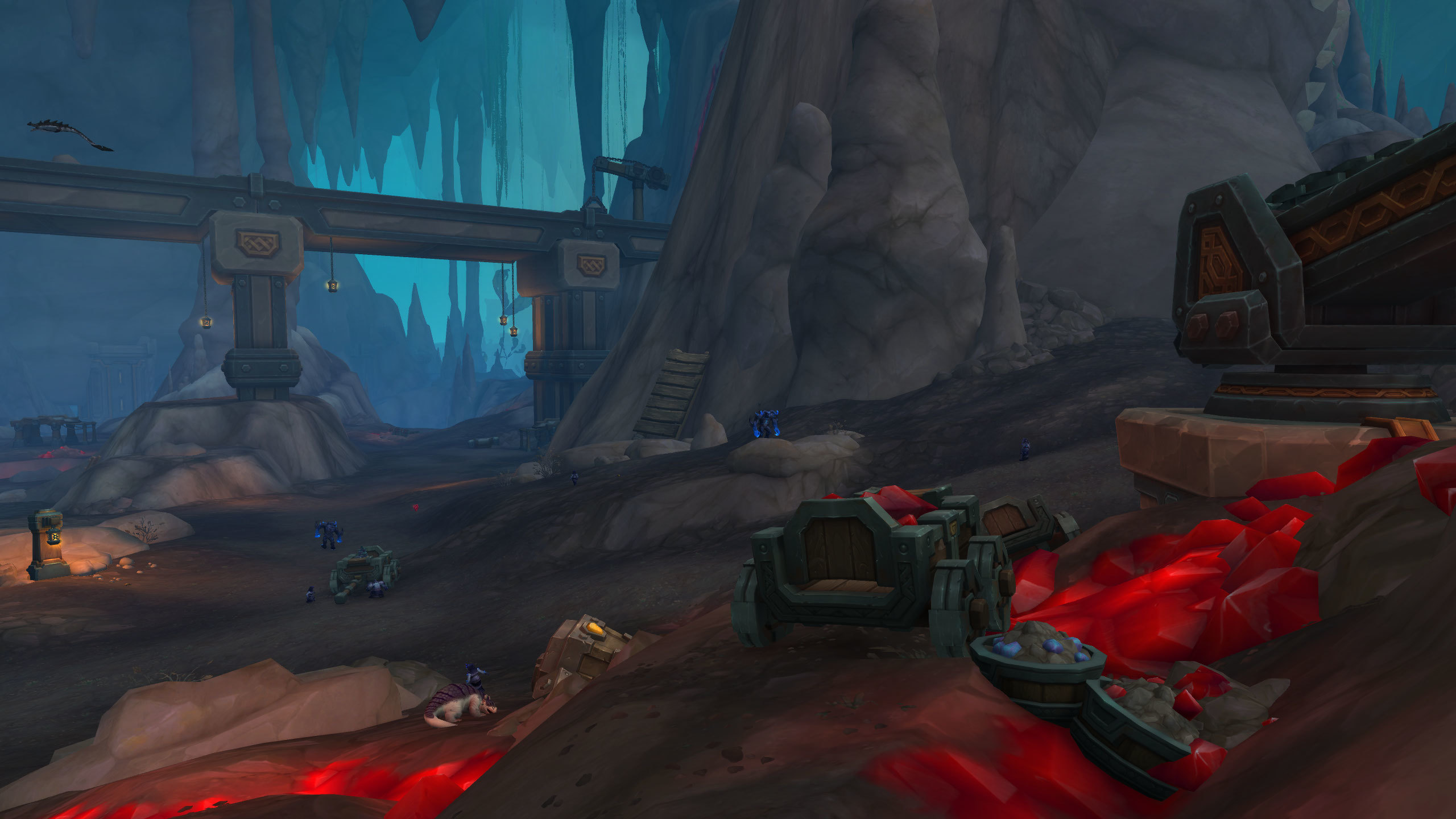
The world is known for its grand landscapes and sweeping vistas, yet some of its most powerful storytelling lies in the quiet places beneath the surface. Caves, tunnels, abandoned mines, and forgotten chambers hold secrets that never appear in quest logs. These spaces whisper fragments of lost civilizations, ancient tragedies, and stories that unfold through silence rather than scripted dialogue. They remind players that the world’s history is layered — not just across continents, but deep beneath their feet.
This article explores how these hidden depths shape narrative identity, why silent spaces feel emotionally powerful, and how underground storytelling continues to influence modern exploration.
The Power of Environmental Silence
Silence can tell a story as effectively as any scripted dialogue. In caves and tunnels, sound becomes sparse — footsteps echo, water drips, and distant winds mix with the unknown. This acoustic stillness invites players to slow down and observe the world more closely. The absence of noise amplifies environmental details, creating emotional tension or calm depending on the space. These moments of quiet exploration often become some of the most memorable experiences in the game.

Silence becomes a narrative tool that shapes emotion and atmosphere.
Caves as Windows Into Forgotten History
Many caves and underground spaces serve as time capsules. They contain relics, collapsed structures, fossilized remains, or hints of ancient rituals. Players piece together fragments of stories that never receive quests or dialogue — stories told entirely through visual detail. These hidden histories add depth to the world’s storytelling by expanding lore beyond the main narrative arc.

To illustrate the kinds of stories found underground, here is an overview:
- Ancient habitats: Remnants of early civilizations abandoned long before modern factions existed
- Collapsed mines: Evidence of overreach or forgotten labor struggles
- Elemental caverns: Natural chambers shaped by chaotic forces
- Burial sites: Cultural markers hinting at forgotten customs
- Hidden lairs: Creatures and entities living beyond the world’s light
The Emotional Pull of Secret Places
Secret spaces create a unique emotional response. Players enter them without knowing what lies ahead, driven by curiosity rather than reward. These environments often evoke tension, wonder, isolation, or nostalgia. The emotional palette differs dramatically from surface exploration, giving underground spaces a tone that feels personal and introspective.
Caves invite players to listen to their imagination as much as the world itself.
Modern Expansions That Continue the Tradition
Recent expansions have embraced underground storytelling with renewed passion. From vast subterranean empires to natural caverns filled with forgotten cultures, modern design emphasizes depth both physically and narratively. These spaces reveal secrets that tie into larger story arcs, yet retain the quiet atmosphere that makes underground exploration uniquely compelling.

The underground remains a place where mystery thrives.
Why Hidden Depths Still Matter
These quiet, tucked-away locations endure because they offer a different kind of storytelling — one shaped by subtlety, atmosphere, and discovery. They give players the freedom to create personal narratives as they uncover clues and imagine histories. Underground stories remind players that the world is ancient, layered, and full of forgotten voices waiting to be heard.
The deepest stories are often the ones left unspoken.
Conclusion
The hidden depths of the world — its caves, tunnels, and silent spaces — shape emotional identity through subtle storytelling and atmospheric design.
These forgotten places carry echoes of history that players uncover through exploration rather than quests. They stand as reminders that the world’s richest stories often lie beneath the surface, waiting for those who seek them.