To maximize your herbalism farming in World of Warcraft Classic, start in the lush fields of Westfall, then move to the vibrant ecosystems of Northern Stranglethorn Valleys for exotic herbs. Don’t overlook the Wetlands, where Kingsblood and Bruiseweed abound. Each area offers unique opportunities, from the sunny paths of Thousand Needles to the dangerous dens of Tanaris—each with their own rare herbs. Be strategic; learning spawn times and patterns will boost your yield. Aggressive fauna and competing gatherers add challenge, so patience and strategy are your best tools. By mastering these routes, you’re on your way to becoming a wealthy herbalist.
Key Takeaways
- Explore diverse regions like Northern Stranglethorn Valleys and Tanaris Beast Dens for exotic and valuable herbs.
- Understand spawn patterns and timings in areas such as the Wetlands for efficient herb gathering.
- Team up with others for safety and increased efficiency, especially in dangerous zones like Tanaris.
- Utilize knowledge of specific flora in regions (e.g., Wild Steelbloom in Hillsbrad Foothills) to target your farming efforts.
- Practice patience and strategy, considering competition and wildlife threats, to maximize herbalism routes.
Westfall Skinning Spots
For those looking to stock up on skins, Westfall’s expansive fields are your go-to spot. But, if you’re also aiming to boost your herbalism skill while traversing Azeroth, you’ll need to diversify your journey. Starting in Elwynn Forest, you’re at the perfect launching point. The lush environment isn’t just for low-level adventurers; it’s a goldmine for gathering basic herbs, setting you on the right path to max level.

As you progress, don’t overlook Tirisfal Glades. It’s not just the haunting backdrop that captivates; the area is rich with herbal opportunities that are essential for leveling your herbalism skill efficiently. Then, there’s the rugged terrain of Hillsbrad Foothills, a haven for those seeking Wild Steelbloom—an essential herb for intermediate potions.
Don’t miss out on the serene yet wild landscapes of Redridge Mountains. The region is not only a strategic spot for skinners but also houses a variety of herbs that cater to mid-level herbalists aiming for the top. Maxing out your herbalism skill requires a well-rounded approach, exploring these diverse regions, each offering unique flora to discover and harvest.
Northern Stranglethorn Valleys
Venturing into Northern Stranglethorn Valleys, you’ll find a treasure trove of exotic herbs waiting to be harvested. This lush, dense jungle contrasts sharply with the barren landscapes of Dun Morogh or the fiery pits of Searing Gorge, offering a unique foraging experience that demands your attention. Unlike the rocky terrains of Stonetalon Mountains, the valleys here are teeming with life, providing ample opportunities for herbalists of varying skill levels.

To maximize your harvest, you’ll need to navigate the jungle’s dangers while keeping an eye out for valuable plants. The skill level required isn’t as high as you might expect, making it an excellent spot for mid-level herbalists aiming to boost their abilities. As you weave through the dense foliage, compare this area to the snow-covered expanses of Dun Morogh or the scorching heat of Searing Gorge, and you’ll appreciate the unique challenges and rewards that Northern Stranglethorn offers.
Thousand Needles Leather Routes
Thousand Needles’ twisting canyons and towering mesas offer an unparalleled opportunity for adventurers seeking to master the art of leather gathering. As you navigate through this rugged terrain, you’ll find that it’s not just the landscape that’s diverse. The wildlife here provides an excellent source of leather, essential for crafting and trading within the game.
You’ll want to focus your efforts on the areas where the beasts roam in abundance. The Shimmering Flats, in particular, are teeming with creatures ripe for skinning. From the resilient turtles to the swift gazelles, each offers its unique type of leather. It’s a spot you can’t afford to overlook if you’re serious about maximizing your leather stocks.
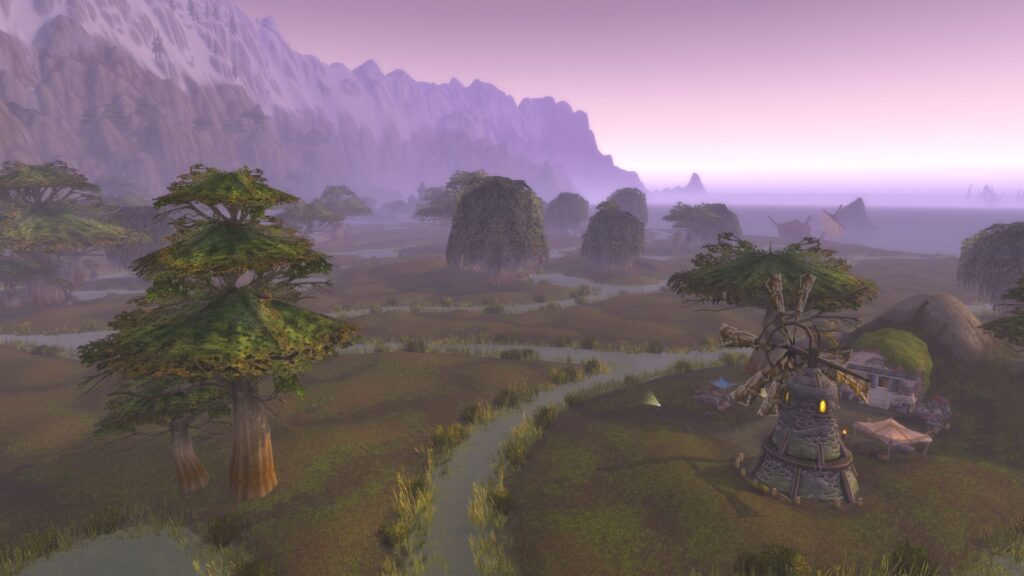
Remember, the competition might be fierce. Other players will be scouring the area for the same resources. Timing and strategy become your best allies. Early mornings or late nights could offer you the solitude you need to farm efficiently. Also, keeping a keen eye on server population trends might give you the edge in planning your gathering expeditions.
In Thousand Needles, it’s not just about finding the right spot but also about mastering the timing and strategy to outmaneuver your competition. With patience and perseverance, you’ll find that these routes can be incredibly rewarding for an aspiring leatherworker.
Wetlands Hunting Grounds
Exploring the Wetlands, you’ll discover a hunter’s paradise, teeming with wildlife ready for the taking. This marshy area isn’t just for those wielding bows and arrows; it’s a goldmine for herbalists keen on maximizing their farming routes. As you navigate through the thickets and along the waterlogged paths, you’ll come across a plethora of herbs such as Kingsblood, Bruiseweed, and the ever-valuable Stranglekelp, flourishing near bodies of water.
The key to effectively harvesting in the Wetlands is understanding the spawn patterns of these plants. Kingsblood, for instance, tends to grow in more open areas, while Bruiseweed is often nestled against rock faces and near old ruins. Stranglekelp’s unique aquatic locations require a keen eye and possibly a quick dip to gather.
While on your route, keep an eye out for aggressive wildlife. The Wetlands are home to crocolisks, raptors, and the occasional fen creeper, which can turn your herb gathering trip into a fight for survival. Balancing caution with exploration will serve you well here.
Tanaris Beast Dens
After mastering the Wetlands, you’ll find the Tanaris Beast Dens present a whole new set of challenges and opportunities for herbalists. Unlike the relatively safe and predictable Wetlands, Tanaris’s landscape is harsher, and its fauna, more formidable. However, don’t let that deter you. The dens are scattered with rare and valuable herbs that are worth the extra effort.

Navigating through the Beast Dens requires a bit more caution. You’ll need to keep an eye out for the roaming elite mobs that can quickly end your gathering expedition. It’s best to plan your route carefully, avoiding the dens with the most dangerous creatures whenever possible. If you’re up for the challenge, consider teaming up with a fellow adventurer. Not only can they help fend off any aggressive beasts, but they can also double the herbal loot.
Among the sands and the dens, you’ll find Gromsblood, Purple Lotus, and occasionally, the prized Golden Sansam. These herbs are in high demand, particularly for endgame content, making your risky venture potentially very profitable. Remember, timing is everything. The dens are less crowded during off-peak hours, giving you a better chance to harvest without interruption. So, gear up, plan your path, and happy herbing!
Frequently Asked Questions
How Do You Efficiently Manage Your Inventory While on Long Herbalism Farming Routes?**
To efficiently manage your inventory on long farming routes, you’d prioritize herbs with higher market value, use bags with maximum slots, and regularly clear out low-value items. This strategy optimizes space and profit.
This Question Delves Into Inventory Management Strategies Specific to Herbalists Who Collect Various Herbs That Can Quickly Fill up Bag Space. It’s Crucial for Maximizing Time Spent Farming Without Having to Return to Sell or Store Items Frequently.
To manage your inventory while gathering herbs, prioritize which to keep or discard. Use larger bags and consider a bank alt for storage. This way, you’ll spend more time farming and less managing items.
What Are the Best Addons to Enhance Your Herbalism Route Efficiency in Wow Classic?**
To boost your herbalism route efficiency in WoW Classic, you’ll want to use addons like GatherMate2 and Routes. These tools help track and plan your herb gathering, making your farming more streamlined and productive.
Exploring the Right Addons Can Provide a Significant Advantage by Showing Herb Locations on the Map, Tracking Respawn Times, or Optimizing Routes. This Question Seeks to Uncover Those Tools That Aren’t Specific to Any Single Location but Are Invaluable for Herbalists.
Exploring the right addons can drastically improve your gameplay, showing herb locations and tracking respawn times. It’s not just about where you’re farming but how efficiently you’re doing it. These tools are game-changers for herbalists.
How Do Weather or Time of Day Affect Herb Spawns in Wow Classic?**
In WoW Classic, weather or time of day don’t impact herb spawns. You’ll find herbs in the same spots, regardless of these conditions. Focus on learning spawn locations and patterns to gather efficiently.
Conclusion
Now that you’ve traversed Azeroth’s diverse terrains, from the lush forests of Ashenvale to the rugged landscapes of The Hinterlands, you’re well on your way to mastering Herbalism. Remember, it’s not just about the destinations but the journey. Take, for instance, a player who stumbled upon a rare Black Lotus in the Eastern Plaguelands; it’s those unexpected finds that make all the difference. So keep your eyes peeled and your bags ready—you never know what you might discover next on your path to becoming Azeroth’s most renowned herbalist.

