World of Warcraft Classic launched in August 2019, reigniting the fervor of players who craved the nostalgia of the original game. This revival not only brought back the mechanics and aesthetics of the early 2000s MMORPG but also introduced a new generation to the complexities and communal experiences that defined the genre. The impact of WoW Classic on the gaming landscape is profound, influencing game development, player expectations, and the overall social dynamics within online gaming communities. It rekindled discussions about game pacing, difficulty, and the true essence of MMORPGs.
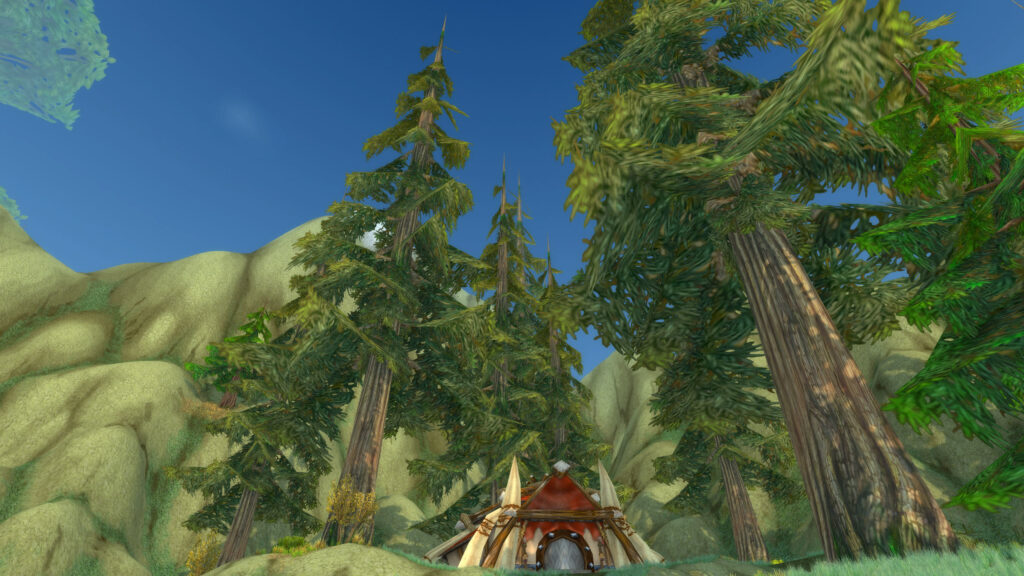
The Return to the Roots of MMORPGs
WoW Classic stands as a testament to the enduring appeal of traditional MMORPG elements, such as grinding, questing, and community interaction. Unlike modern iterations that often prioritize accessibility and convenience, Classic emphasizes the importance of immersion and time investment. Players engage in lengthy quest chains that require collaboration, forming bonds over multi-hour dungeon runs and raid encounters. This return to complexity has allowed players to experience the game as it was originally intended, fostering a sense of achievement that many modern games overlook.
Game Mechanics and Community Dynamics
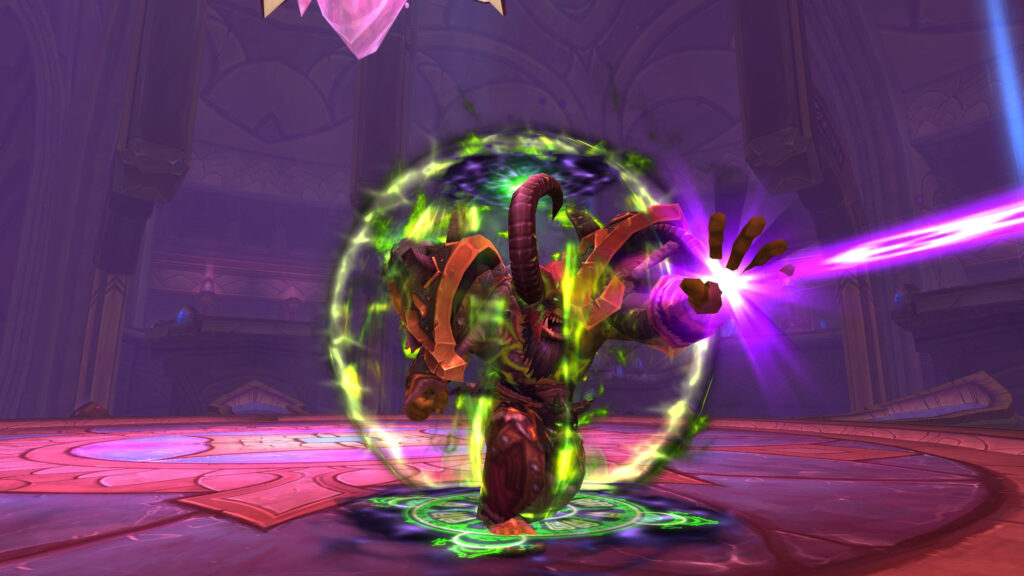
The mechanics of WoW Classic demand a strategic approach, requiring players to be mindful of their class roles and synergy within groups. The absence of modern conveniences, such as streamlined dungeon finding or extensive quality-of-life features, forces players to communicate and coordinate actively. This enhances the social component of the game, with players forming lasting friendships and guilds. The table below illustrates the differences in key mechanics between WoW Classic and its retail counterpart, showcasing how these changes foster a more engaging experience.
| Feature | WoW Classic | Retail WoW |
|---|---|---|
| Dungeon Finder | No | Yes |
| Leveling Speed | Slow | Fast |
| Class Balance | More Varied | More Streamlined |
| World Buffs | Yes | No |
Player Engagement and Retention
One of the most significant shifts brought about by WoW Classic is the way it has redefined player engagement. The slower leveling process and the necessity of forming groups for dungeons and raids have contributed to a deeper investment in the game. Players often find themselves returning to the game longer than they might have in the past, as the journey becomes as important as the destination. The community-driven nature of Classic has revitalized the player base, leading to a resurgence in interest for MMORPGs as a whole, prompting developers to reconsider their designs and systems for future titles.
Impact on Game Development Trends
The success of WoW Classic has sparked a trend among developers to explore retro or classic versions of their games. The financial viability of such projects has led to an influx of titles that seek to replicate the social and immersive experiences seen in Classic. Games like Final Fantasy XIV and Elder Scrolls Online have adjusted their models to cater to players who crave a more traditional experience, demonstrating the shift in market demand. Developers are taking note of the intricate balance between accessibility and depth, with a renewed focus on creating engaging environments that foster community.
Conclusion: The Legacy of WoW Classic
In summary, World of Warcraft Classic has reshaped the MMORPG landscape by emphasizing community, challenge, and nostalgia. It has reignited passion for a genre that some believed was fading in the face of modern gaming conveniences. The return to a more complex gameplay formula and the emphasis on social interaction has set a new benchmark for future MMORPGs. Players now seek similar experiences, making WoW Classic not just a revival but a catalyst for change in how MMORPGs are developed and enjoyed in the years to come. As we look forward, the legacy of Classic will undoubtedly continue to influence the gaming community and industry alike.

